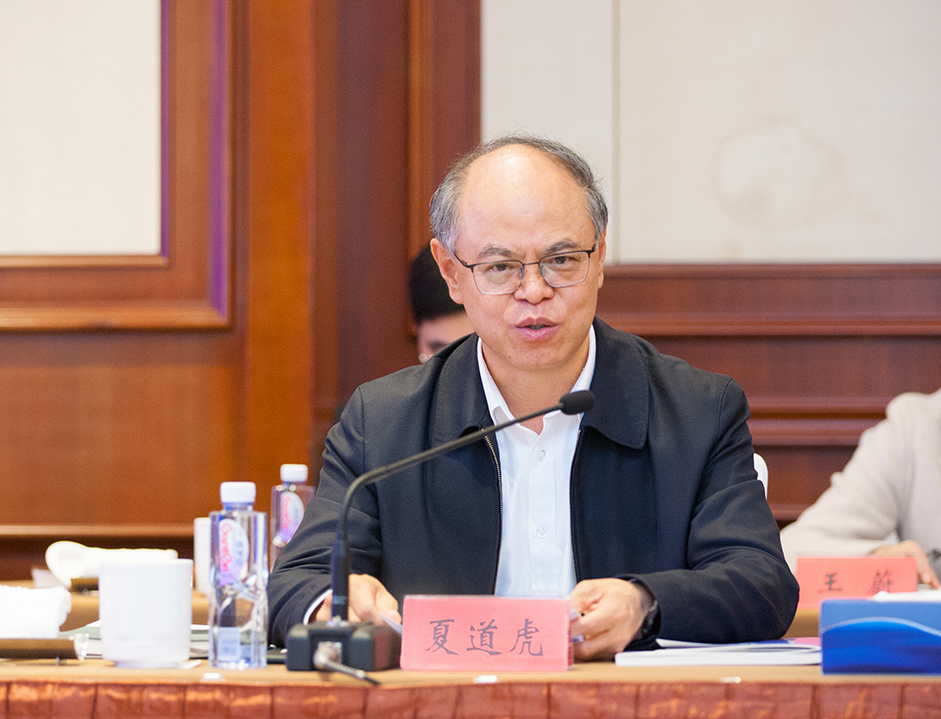
Xia Daohu, Secretary of the Party Group and President of the Jiangsu Higher People’s Court, attended the event and delivered a keynote speech. The forum brought together leading scholars and experts in maritime law and international law, including Huang Jin, former President of China University of Political Science and Law, President of the China Society of International Law and the China Society of Private International Law, Senior Professor of Humanities and Social Sciences at Wuhan University, Dean of the Institute of International Strategy and Law at Zhejiang University, Academician of the European Academy of Sciences, and Senior Professor of Liberal Arts at Zhejiang University; Gao Zhiguo, former President of the Chinese Society of Ocean Law, former Judge of the International Tribunal for the Law of the Sea, Honorary Dean of the Law School of Hainan University, former President of Shanghai Maritime University, and member of the Expert Committee of the Ministry of Transport; and Shan Hongjun, President and Deputy Secretary of the Party Committee of Dalian Maritime University. The event was presided over by Li Yuming, Secretary of the Party Group and President of the Nanjing Maritime Court.
In his speech, Xia Daohu noted that the Proposal of the 15th Five-Year Plan, adopted at the Fourth Plenary Session of the 20th CPC Central Committee, for the first time explicitly listed “strengthening marine development, utilization and protection” as a key task, laying out a strategic blueprint for accelerating the building of a maritime power. He also highlighted that the Tenth Plenary Session of the Fourteenth Jiangsu Provincial Party Committee had made systematic arrangements to promote the high-quality development of the marine economy in alignment with major national strategies. Xia emphasized that courts at all levels in Jiangsu should give full play to the role of expert think tanks, focus on the strategic deployment of high-quality marine economic development, and strengthen the supply of maritime judicial services. Courts should actively respond to judicial needs arising from marine equipment manufacturing, modern shipping services, and the development and utilization of marine energy resources, thereby enhancing the contribution of maritime justice to economic and social development. He further called for deepening the strategy of high-quality maritime adjudication, improving mechanisms for the accurate application of international treaties and international practices, cultivating influential typical cases that can guide international maritime rules, and expanding the international influence of China’s maritime adjudication. Efforts should also be made to strengthen ideological, practical, and professional training, improve exchange mechanisms among judicial, academic, and shipping professionals, and build a high-caliber maritime judicial workforce.
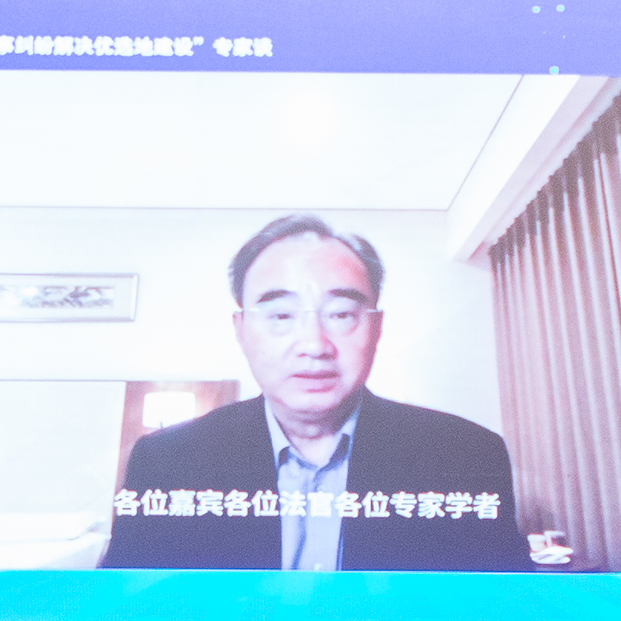
Huang Jin stressed that the application of international treaties and international practices is an unavoidable and crucial issue in foreign-related civil, commercial, and maritime adjudication. He noted that China has long formed the basic principle of giving priority to the application of international treaties, with international practices serving a supplementary role. In handling foreign-related maritime cases, people’s courts should adhere to the principle of pacta sunt servanda and accurately apply international treaties and international practices in good faith, which is of great significance for advancing high-level opening-up and strengthening the foreign-related rule of law.
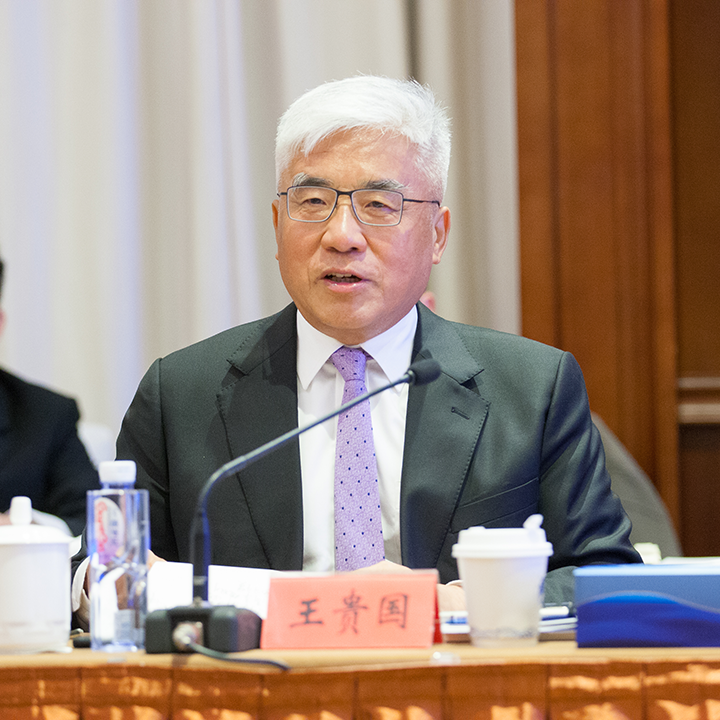
Wang Guiguo pointed out that the construction of an optimal international maritime dispute settlement mechanism is both a national strategic issue and a practical challenge for individual courts. The key lies in clearly defining institutional positioning, identifying comparative advantages, and enhancing service and market awareness. Through expert think tank participation in case studies and rule research, courts can strengthen coordination with government authorities and industry organizations, guide parties to rationally choose dispute resolution venues, and enhance the predictability and international recognition of judicial decisions through systematic case compilation and publication.
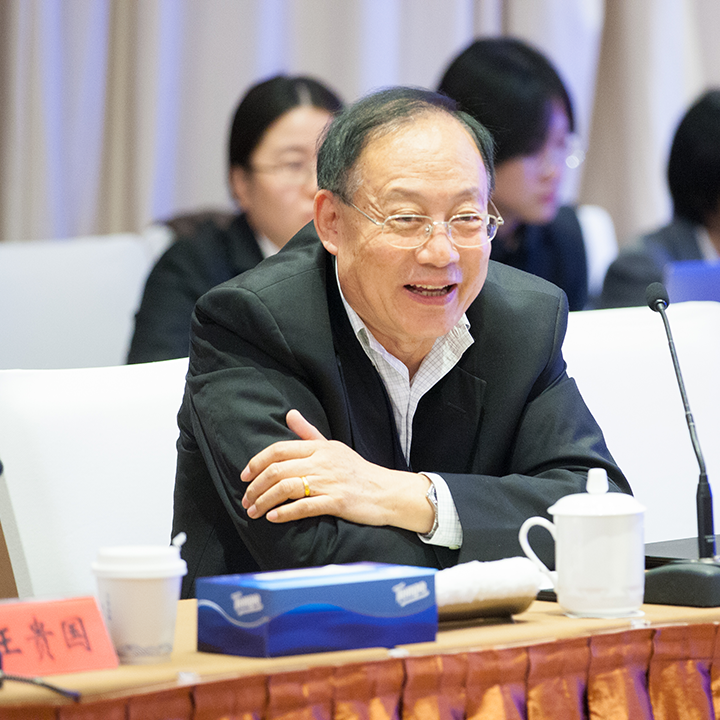
Gao Zhiguo observed that China’s marine governance and marine rule of law still have room for improvement in terms of institutional supply. He called for advancing structural reform on the supply side of marine rule of law, emphasizing the foundational role of maritime rule of law in marine economic development and the building of a maritime power. Through institutional innovation and the practice of typical cases, the functional positioning of maritime justice in serving national strategies can be continuously strengthened.
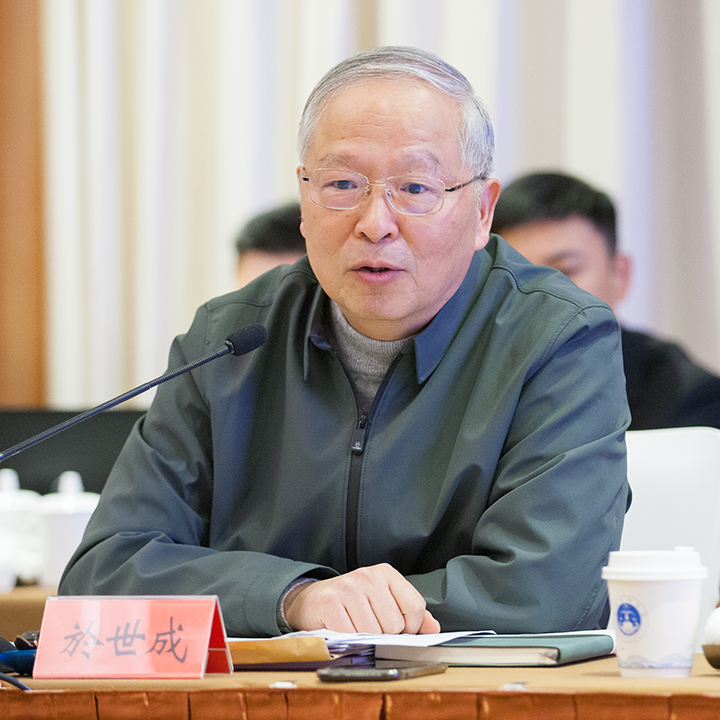
Yu Shicheng highlighted that maritime justice plays a vital role in marine economic development. Leveraging Jiangsu’s unique advantages of rivers, lakes, and seas, Nanjing Maritime Court should continuously summarize adjudicatory experience to provide practical samples for legislative improvement and rule formation. At the same time, sustained efforts should be made in areas such as judicial review of foreign-related arbitration, judgment reasoning, and professional capacity-building, so as to enhance the credibility and influence of China’s maritime justice through high-quality judgments.
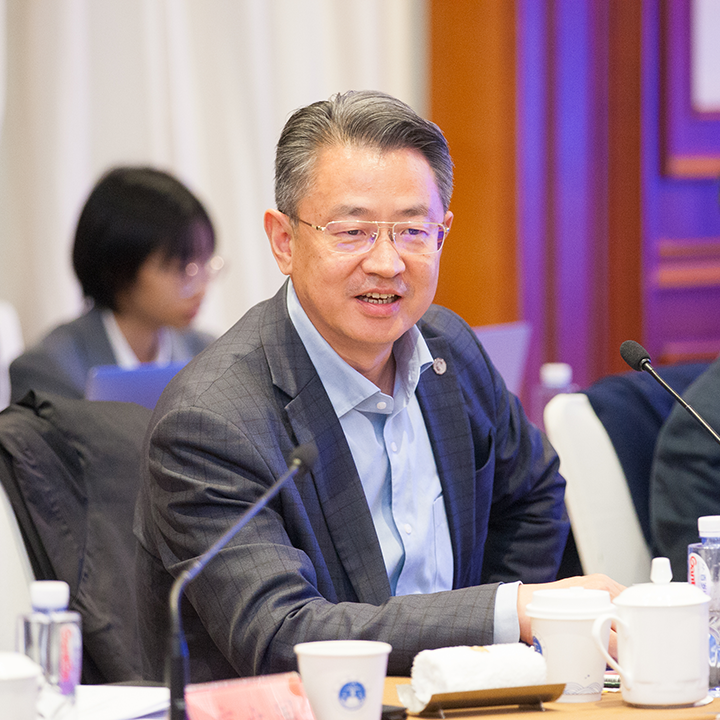
Shan Hongjun noted that the formation of a preferred forum for international maritime dispute resolution depends not only on port size or shipping volume, but more fundamentally on institutional competitiveness and the capacity of professional services. International experience shows that historical institutional accumulation, stable rule expectations, and the clustering of high-end legal services play a decisive role. Guided by national strategy, the development of preferred dispute resolution forums should gradually shape a system brand with international attractiveness and credibility through exploration in key regions.